

As winter's chill begins to fade across the Dallas-Fort Worth metroplex, homeowners start dreaming of vibrant gardens filled with colorful blooms. Choosing the right flowers to plant in spring can transform your outdoor space into a stunning showcase that complements your well-maintained lawn. Understanding which flowers thrive in North Texas's unique climate conditions will help you create a garden that not only looks beautiful but also withstands our region's challenging weather patterns.
The key to successful spring flower gardening in DFW lies in selecting varieties that can handle our intense summer heat, occasional drought conditions, and clay-heavy soil. With proper planning and the right flower choices, you can enjoy continuous blooms from spring through fall while maintaining a cohesive landscape design that enhances your property's curb appeal.
Why Spring is Perfect for Flower Planting in DFW
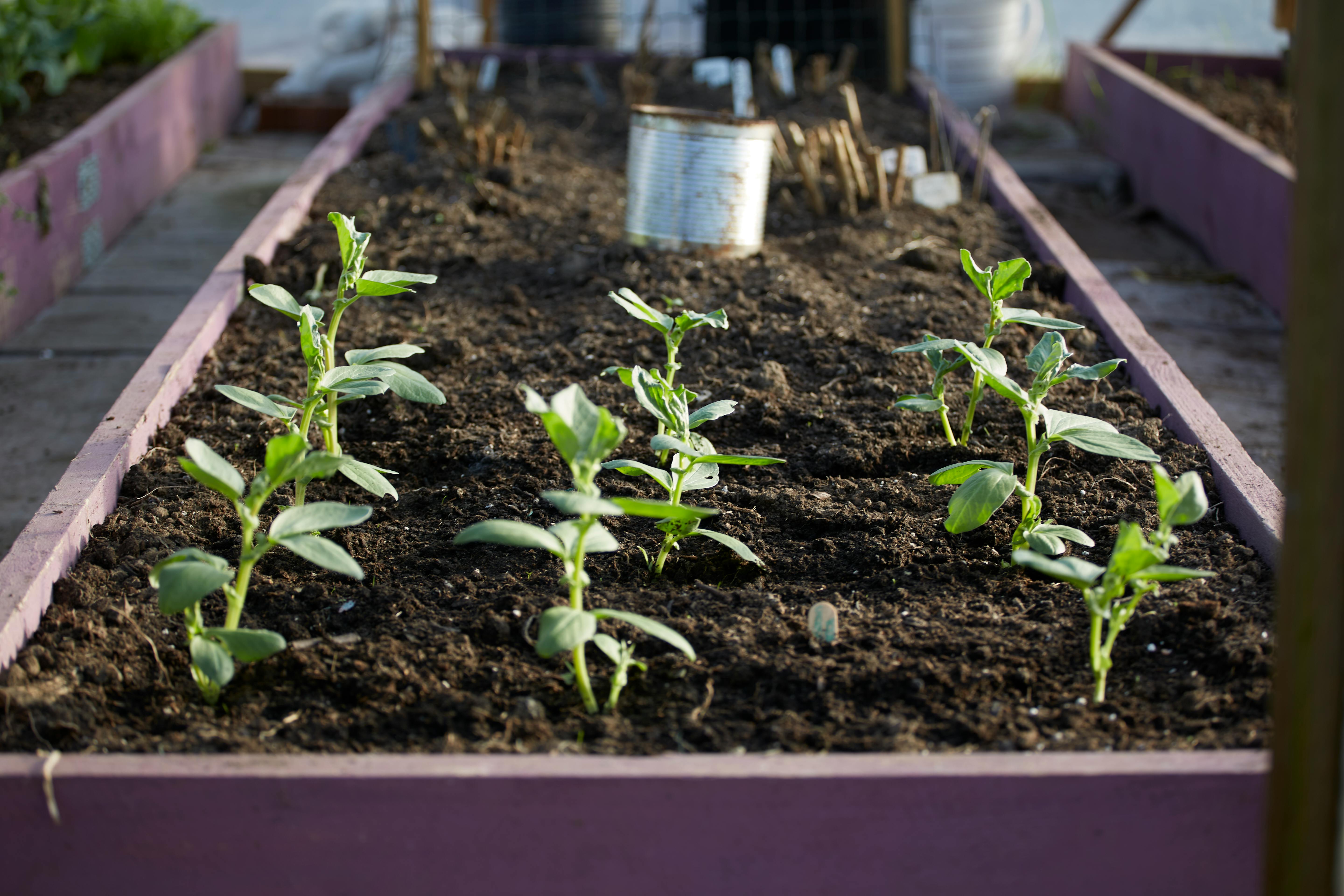
Spring offers the ideal window for establishing new flowers in the Dallas-Fort Worth area. The last frost typically occurs between mid to late March, making early April the perfect time to begin planting tender annuals and getting perennials established. During this season, soil temperatures warm to optimal levels for seed germination and root development, usually reaching 60-65°F consistently.
North Texas enjoys an extended growing season that stretches from March through November, giving your spring-planted flowers ample time to establish strong root systems before facing summer's heat. The natural spring rainfall patterns in our region provide excellent moisture for newly planted flowers, reducing the need for frequent irrigation during the establishment period.
Spring planting also allows flowers to develop the deep root systems necessary to survive our notorious Texas summers. Well-established flowers complement your lawn care routine by creating a cohesive landscape that requires coordinated maintenance schedules for watering, fertilizing, and pest management.
Top Annual Flowers for DFW Spring Planting
Annual flowers provide immediate color impact and allow you to experiment with different varieties each year. These flowers complete their life cycle in one growing season but offer continuous blooms and vibrant displays throughout the spring and summer months.
Marigolds
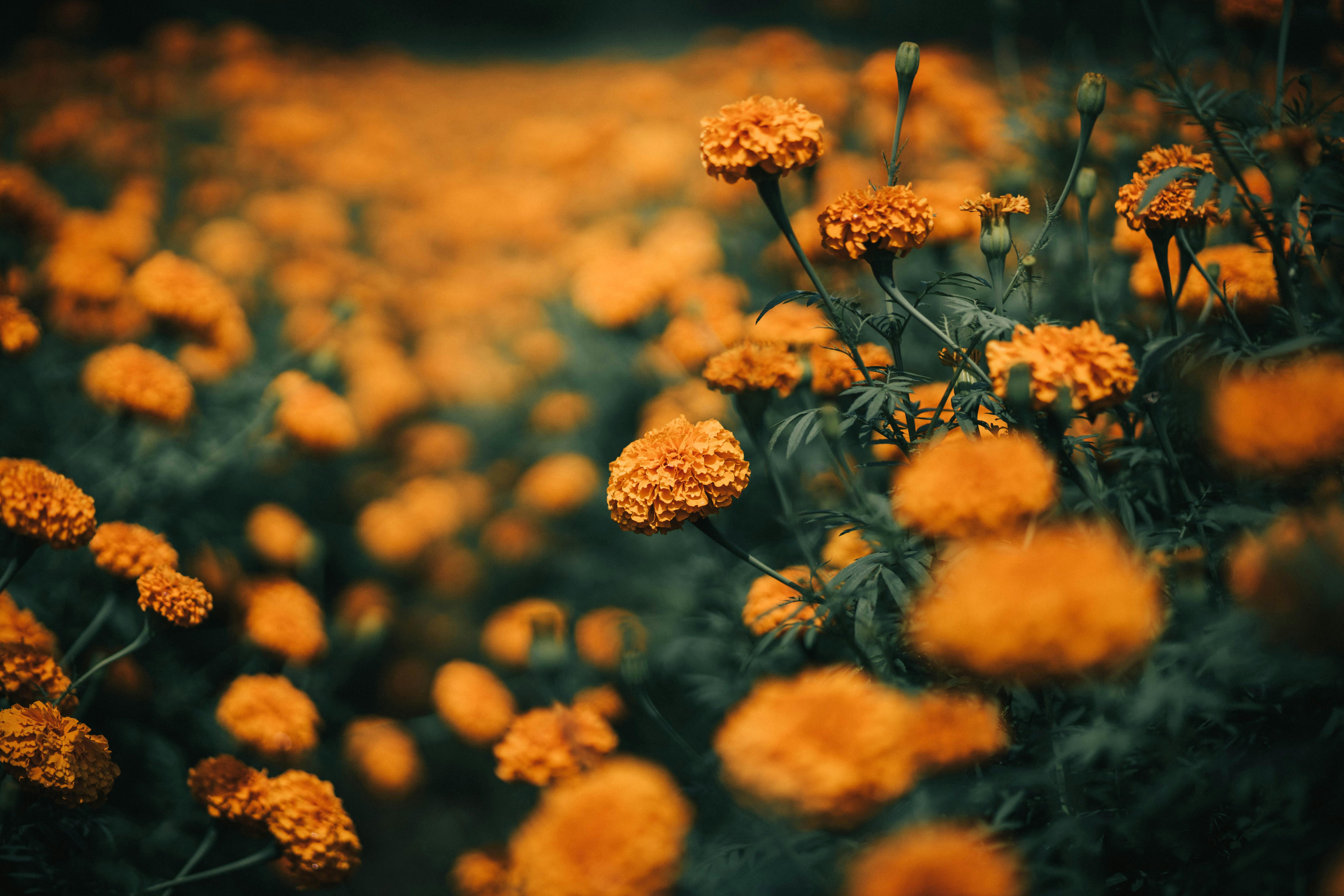
Marigolds are exceptional choices for North Texas gardens due to their remarkable heat tolerance and natural pest-deterrent properties. French marigolds and African marigolds both thrive in our climate, producing bright orange, yellow, and red blooms that continue flowering until the first frost. These hardy annuals actually prefer the warm conditions that challenge other flowers, making them perfect for sunny flower beds.
Zinnias
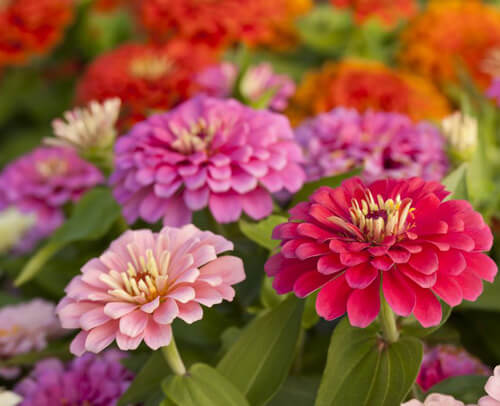
Zinnias offer outstanding drought tolerance once established, making them ideal for DFW's unpredictable rainfall patterns. These colorful flowers attract butterflies and beneficial insects to your garden while providing cut flowers for indoor arrangements. Choose from dwarf varieties for border plantings or tall varieties for dramatic background displays.
Petunias
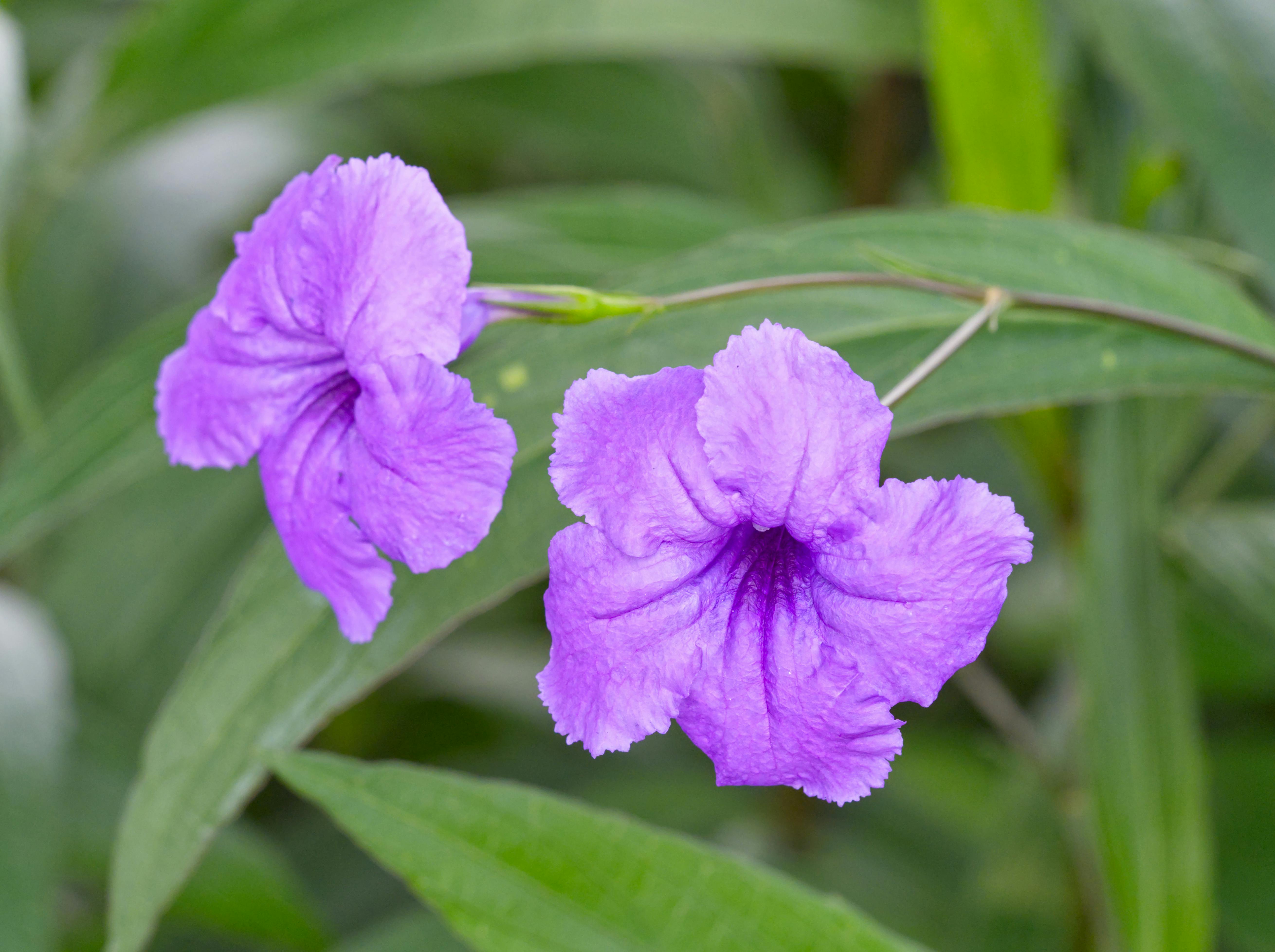
Petunias deliver continuous blooms in a rainbow of colors, from pure white to deep purple. Wave petunias and grandiflora types perform exceptionally well in North Texas, cascading beautifully from containers or spreading across flower bed borders. Their ability to rebound quickly from summer storms makes them reliable performers in our region.
Impatiens
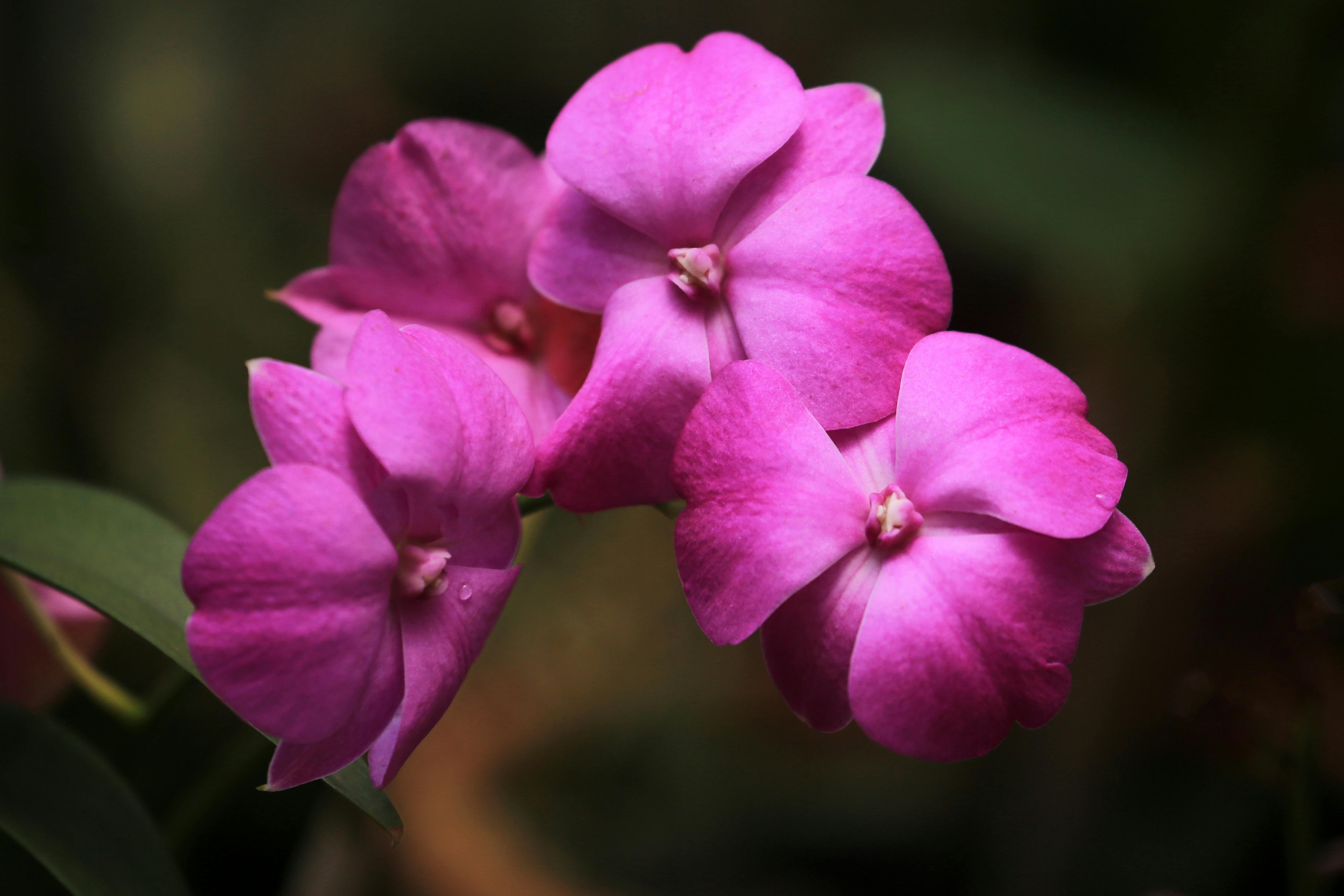
For shaded areas that receive protection from intense afternoon sun, impatiens provide reliable color throughout the growing season. New Guinea impatiens handle more sun exposure than traditional varieties, making them versatile choices for partially shaded locations around your property.
Sunflowers
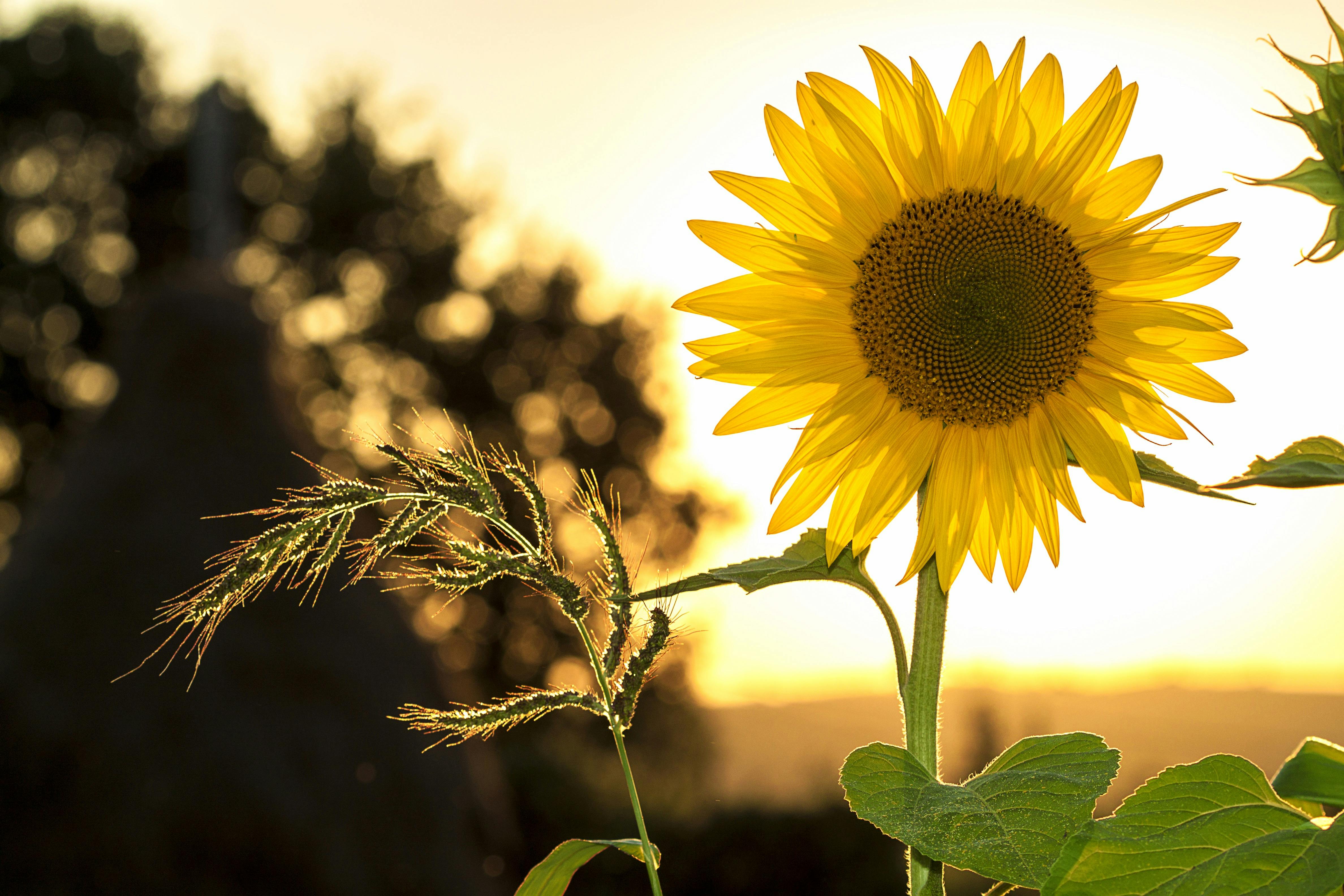
Native sunflower varieties are perfectly adapted to Texas conditions, requiring minimal care once established. From dwarf varieties suitable for borders to giant varieties that create dramatic focal points, sunflowers add cheerful yellow blooms while attracting birds and pollinators to your landscape.
Best Perennial Flowers for North Texas Gardens
Perennial flowers return year after year, making them excellent long-term investments for your landscape. These plants develop extensive root systems that help them survive drought conditions while providing consistent beauty with minimal replanting efforts.
Lantana
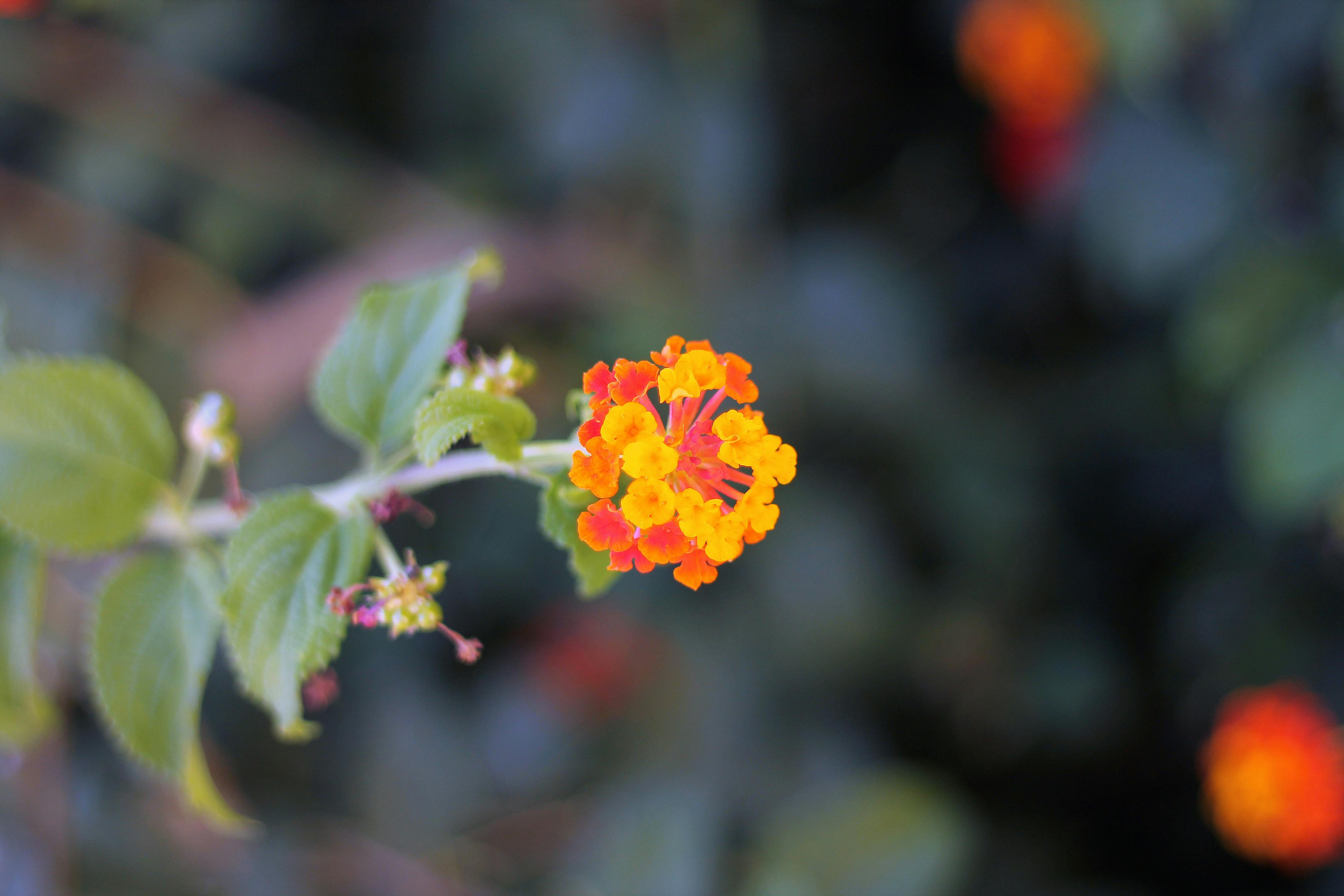
Lantana ranks among the best perennial choices for Texas gardens, offering exceptional heat and drought tolerance. This native Texas plant produces clusters of small flowers in various color combinations, attracting butterflies while requiring virtually no maintenance once established. Lantana works beautifully as a border plant or mass planting in sunny areas.
Black-eyed Susan
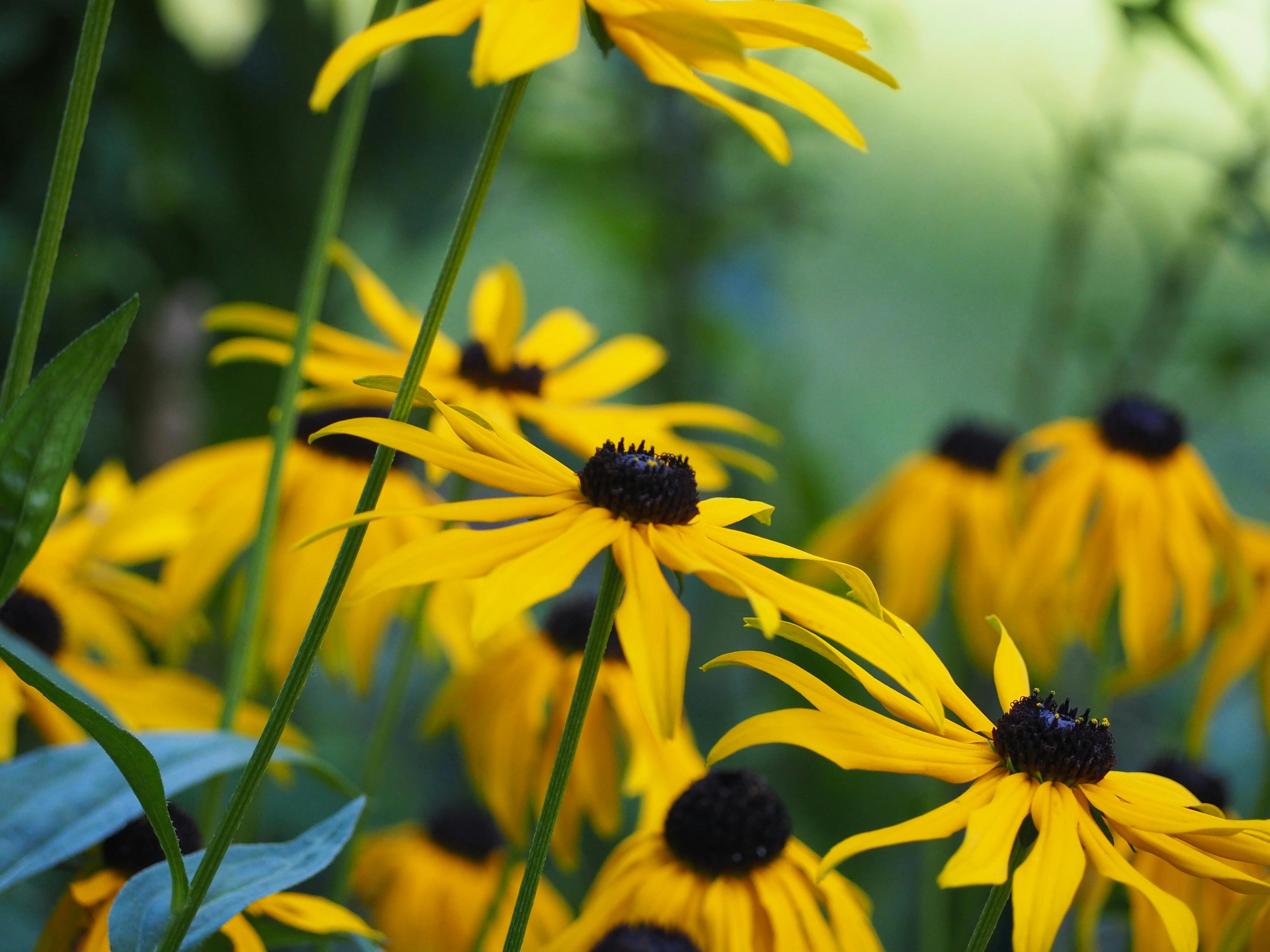
This native wildflower brings bright yellow blooms with dark centers to your garden from summer through fall. Black-eyed Susans spread naturally to fill spaces, creating impressive displays with minimal intervention. Their deep taproot system makes them extremely drought tolerant, perfect for low-maintenance landscape areas.
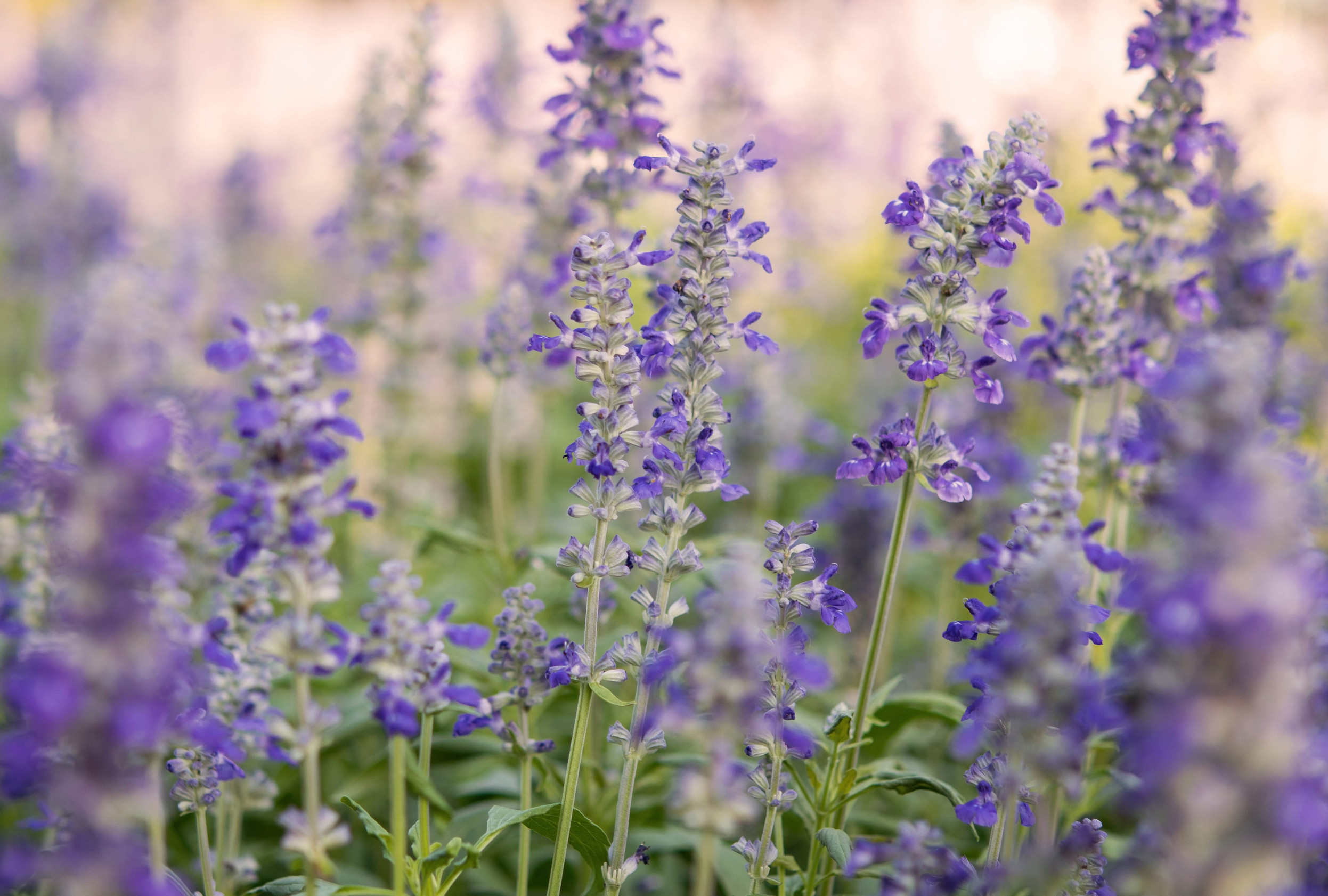
Salvia
Multiple salvia species thrive in North Texas, including native varieties like Gregg's sage and autumn sage. These perennials produce tubular flowers that attract hummingbirds and butterflies while offering aromatic foliage. Salvias bloom repeatedly throughout the growing season with minimal care requirements.
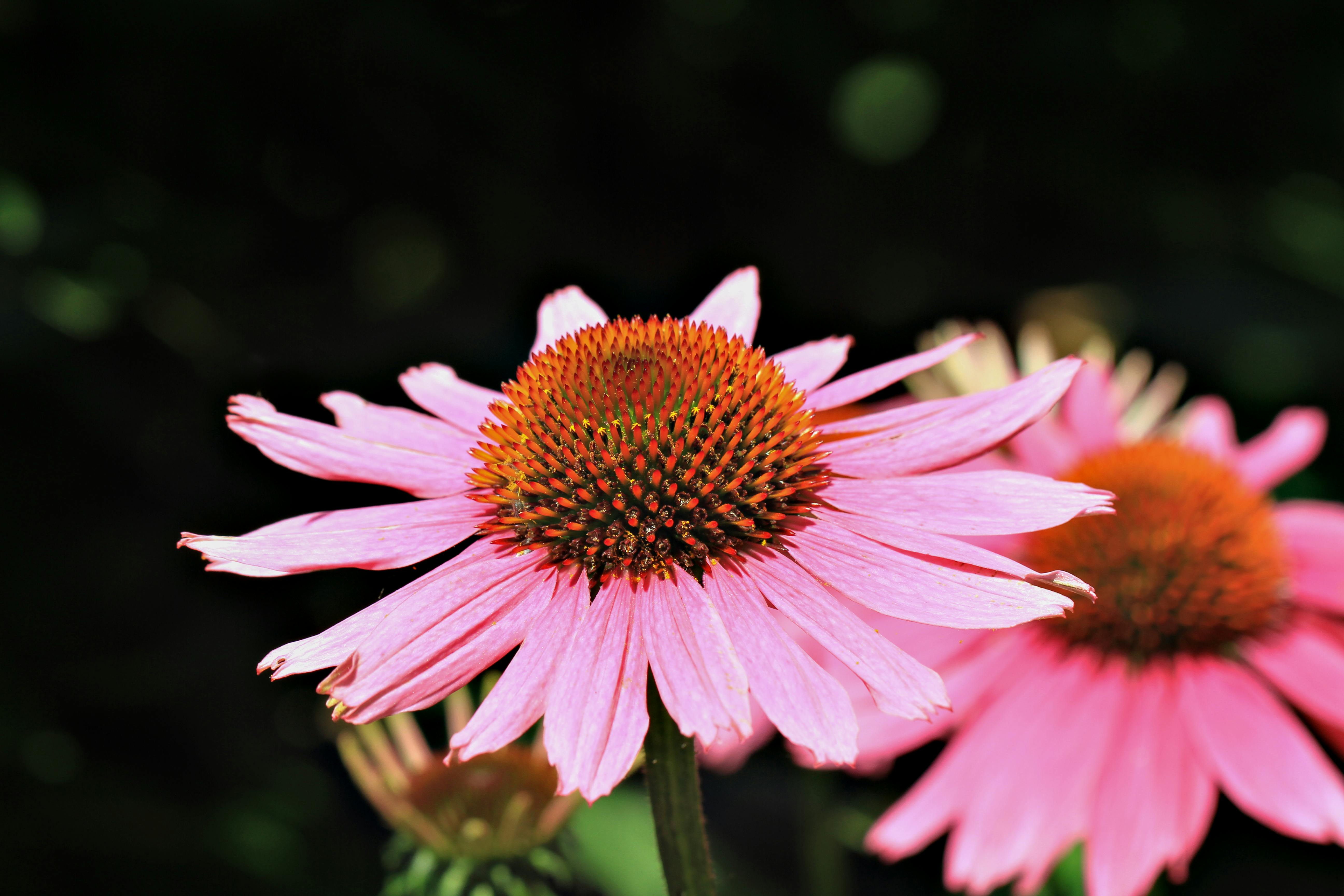
Coneflowers (Echinacea)
Native coneflowers provide sturdy, drought-tolerant perennials that deer typically avoid. Purple coneflowers, white swan varieties, and newer hybrid colors offer options for different garden themes. These flowers also provide seeds for birds during winter months, supporting local wildlife.
Essential Spring Planting Tips for DFW Success
Successful flower gardening in North Texas requires understanding our region's unique challenges, particularly our heavy clay soil and extreme weather conditions. Proper soil preparation forms the foundation for thriving flower beds that complement your professional lawn care routine.
Soil Preparation
North Texas clay soil requires amendment to improve drainage and provide suitable growing conditions for most flowers. Work compost, aged manure, or expanded shale into planting areas to increase organic matter and improve soil structure. Create raised beds or mounded planting areas to enhance drainage in heavy clay soils.
Timing Considerations
Wait until soil temperatures consistently reach 60°F before planting tender annuals. Cool-season flowers like pansies and snapdragons can be planted earlier, while heat-loving varieties should wait until after the last frost date. Monitor weather forecasts for late cold snaps that might damage newly planted flowers.
Watering Strategies
Establish consistent watering schedules that complement your lawn irrigation system. Deep, infrequent watering encourages strong root development, while frequent shallow watering creates weak root systems vulnerable to drought stress. Consider installing drip irrigation or soaker hoses for efficient flower bed watering.
Mulching Benefits
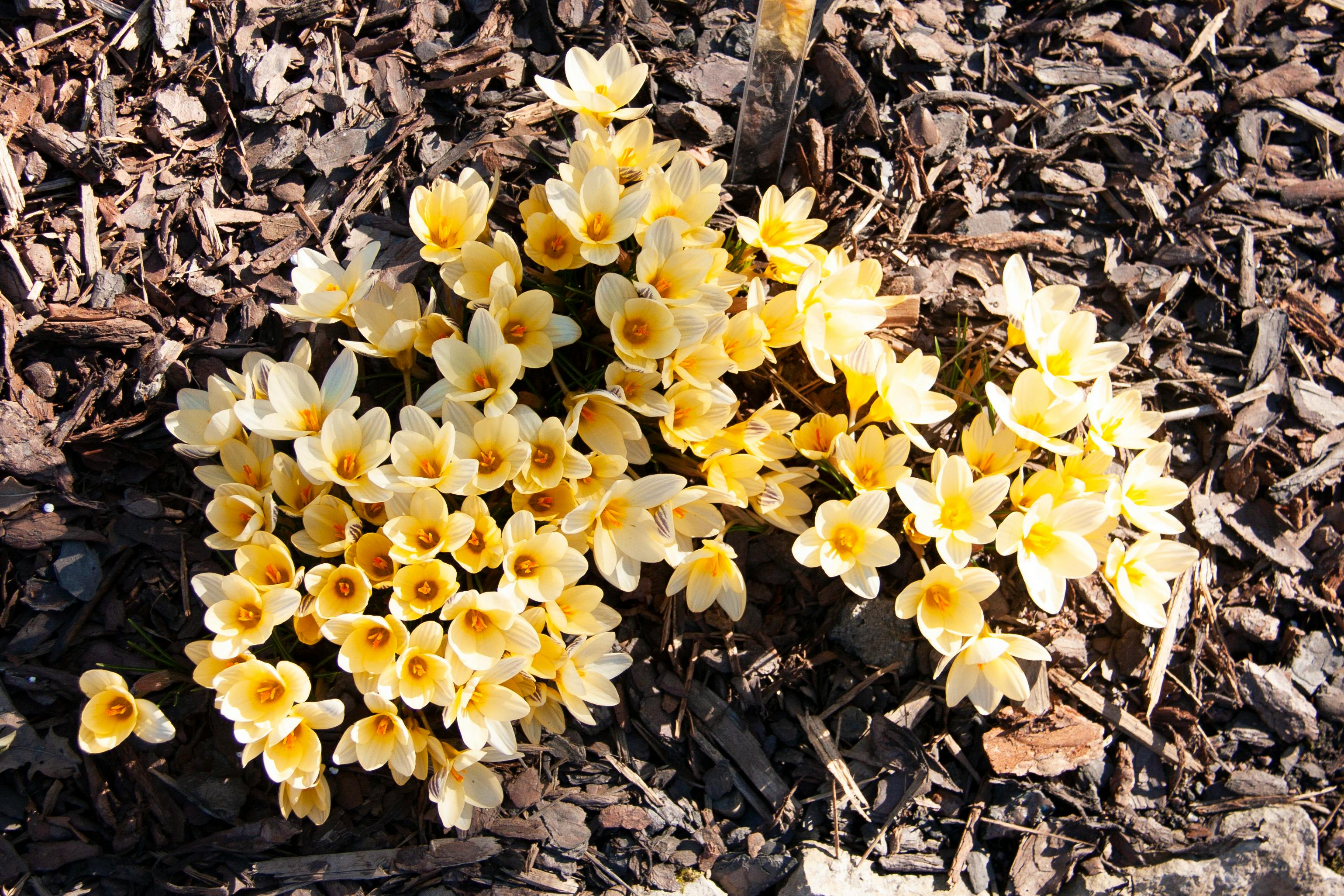
Apply 2-3 inches of organic mulch around flower plantings to conserve moisture, suppress weeds, and moderate soil temperatures. Shredded hardwood, pine bark, or composted leaves work well in North Texas conditions. Keep mulch pulled back from plant stems to prevent moisture-related diseases.
Creating Flower Beds That Complement Your Lawn
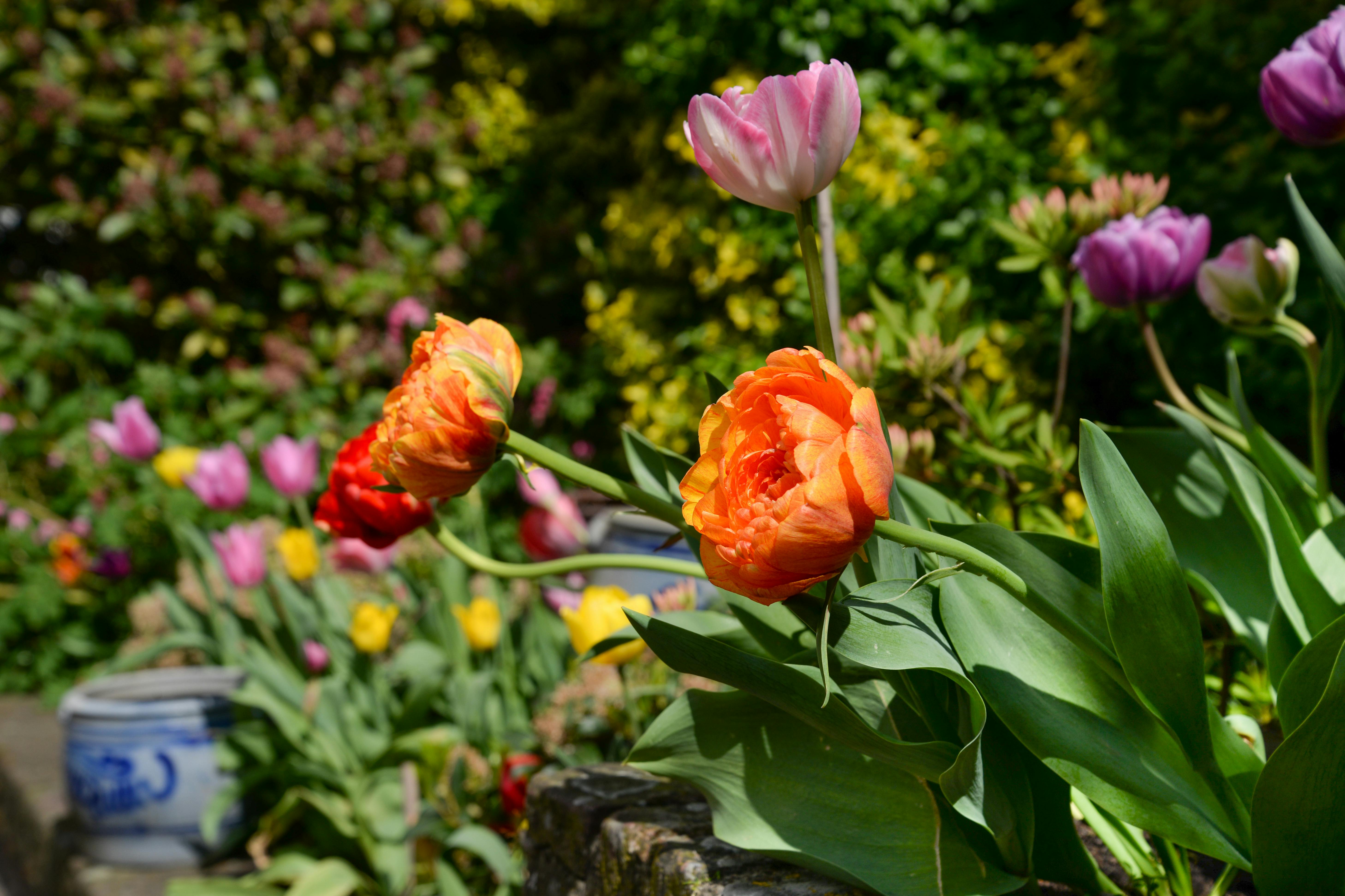
Integrating flower beds with your existing lawn creates a cohesive landscape design that enhances your property's overall appeal. Professional landscape design considers sight lines, color coordination, and maintenance requirements to create unified outdoor spaces.
Choose flower colors that complement your home's exterior and existing landscape elements. Coordinate bloom times to ensure continuous color throughout the growing season, planning for spring, summer, and fall flowering periods.
From flower bed installation to full-service landscaping, we’ll create a yard you’ll love all year long. Contact Ryno Lawn Care today for a free quote and bring your spring garden to life!

Maintaining Your Spring Flowers Through Texas Summer
Successfully carrying spring-planted flowers through North Texas's challenging summer months requires adapting care routines to extreme heat and potential drought conditions. Proper maintenance ensures continuous blooms and healthy plants that enhance your landscape throughout the growing season.
Adjust watering schedules to provide deep moisture during early morning hours, reducing evaporation losses and fungal disease risks. Install shade cloth over tender varieties during extreme heat waves, typically when temperatures exceed 100°F for extended periods. Group plants with similar water requirements together to optimize irrigation efficiency.
Regular deadheading removes spent blooms and encourages continued flowering in most annual and perennial varieties. Pinch or cut flowers just above the next set of leaves or buds to promote bushy growth. Some varieties, like zinnias and marigolds, respond to deadheading with increased bloom production.
Monitor for common summer pests including aphids, spider mites, and thrips that become more active during hot weather. Early intervention with appropriate treatments prevents pest populations from damaging flower displays. Coordinate pest management activities with your lawn care schedule for efficient property maintenance.
FAQ Section
When is the best time to plant flowers in the DFW area?
The optimal timing for planting flowers in Dallas-Fort Worth depends on the variety. Cool-season annuals like pansies can be planted in early March, while warm-season flowers should wait until after the last frost, typically mid to late March. Most annual flowers perform best when planted in early April when soil temperatures consistently reach 60-65°F. Perennials can be planted throughout spring and early fall for best establishment.
What flowers can handle the intense Texas summer heat?
Heat-tolerant flowers that thrive in North Texas summers include marigolds, zinnias, lantana, salvia, and native sunflowers. These varieties have evolved or been bred to withstand temperatures above 100°F while continuing to bloom. Proper soil preparation, adequate watering, and mulching help even heat-tolerant flowers perform their best during extreme weather conditions.
Should I choose annuals or perennials for my DFW garden?
Both annuals and perennials offer advantages for North Texas gardens. Annuals provide immediate, continuous color and allow experimentation with different varieties each year, while perennials offer long-term value and typically require less maintenance once established. A combination approach works well, using perennials as the backbone of flower beds and adding annuals for seasonal color changes and variety.
How do I prepare North Texas clay soil for flower planting?
Clay soil improvement requires adding organic matter like compost, aged manure, or expanded shale to increase drainage and nutrient availability. Work amendments into the top 8-12 inches of soil before planting. Consider creating raised beds or mounded planting areas for better drainage. Avoid working clay soil when it's too wet, as this can create compaction problems that persist for years.
Can I plant flowers and maintain a healthy lawn at the same time?
Absolutely! Flowers and lawn areas complement each other when properly planned and maintained. Coordinate watering schedules, fertilization programs, and pest management strategies to efficiently maintain both elements. Professional lawn care services can integrate flower bed maintenance with regular turf care, ensuring your entire landscape receives appropriate attention throughout the growing season.